

Books
The Best Mentalism Books, Level by Level
What to read first, which classics are worth owning, and the psychology books that make your performances better.
 By The MentalismPro TeamUpdated
As an Amazon Associate we earn from qualifying purchases. How we choose products.

Mentalism books are still the cheapest and most complete way to learn the art. Videos show you what an effect looks like; books explain why it works, what can go wrong and how the performers who invented it actually presented it. Almost every working mentalist will tell you that their real education came from a short shelf of classics, read slowly and reread often.
The problem is choosing. Some of the most famous titles are out of print, some are written for professionals, and a few of the books that sell best have little to do with performing. This guide sorts the best mentalism books by level: the books to read first, the classics you grow into, the definitive book on cold reading, and the psychology books that make every routine stronger. Every book listed here can be bought new or from a reputable seller today.
The Best Mentalism Books for Beginners
A good first book does three things. It teaches complete effects (not just principles), it uses props you already own, and it is written clearly enough that you can perform something within a week. The three books below meet that standard. Read them in this order and you will have a working repertoire and a sense of how mentalism thinks before you spend serious money.
Why Annemann Comes First
Theodore Annemann edited The Jinx, the magazine that gave mentalism much of its modern shape in the 1930s. Practical Mental Magic is the Dover edition of his posthumous collection, and it reads like a toolbox: book tests, predictions, billet work, blindfold effects and card mentalism, each explained with the method, the handling and short notes on presentation. Some of the patter feels dated, which is a feature for a beginner. You have to put the effects into your own words, and that is exactly the skill you need to build.
Why a Psychology Book Belongs on the First Shelf
Methods tell you how a trick works. They rarely tell you why an audience believes it. Derren Brown's Tricks of the Mind fills that gap: it covers magic, memory techniques, suggestion, hypnosis and the psychology of belief, written for a general reader. It also shows the honest stance modern mentalists take, presenting the work as skill and showmanship rather than psychic power. If you want the light, quick version of the same idea, Ehud Segev's 9 Steps to Influence is a short Kindle read on influence and rapport from a working mentalist.
Your First Mentalism Books
-
Best first book
Theodore AnnemannBeginner
Complete effects with ordinary objects: book tests, predictions, billets and blindfold work, each with method and handling. The fastest route from reading to performing.
-
Best for the psychology
Derren BrownBeginner
Memory, suggestion, hypnosis and the psychology of belief, explained for a general reader by the most influential mentalist on television.
-
Quick read on influence
Ehud SegevBeginner
A short Kindle book on rapport and influence from a working mentalist. Light, practical and useful off stage as well.


How to Read Your First Mentalism Book
Do not read a mentalism book like a novel. Read one effect, close the book and perform it for a mirror, then for one friend. Write down what the spectator saw and what they remembered afterward. Most beginners skim fifty effects and can perform none; the ones who improve fastest learn three effects properly and perform them twenty times each. Our step-by-step plan for learning mentalism turns that habit into a 30-day schedule.
The Classics Every Mentalist Ends Up Owning
Once you have performed for real audiences, the classics start to make sense. These books assume you know the basic vocabulary (forces, billets, peeks, readings) and they reward rereading: the second time through, you notice the presentation advice you skipped the first time.
13 Steps to Mentalism (Tony Corinda)
Written in London as thirteen booklets in the late 1950s and bound into one volume in 1961, Corinda's course is still called the mentalist's bible. The thirteen steps run from the swami gimmick and muscle reading through memory systems, predictions, blindfolds, billets, book tests, two-person telepathy, mediumistic effects, card mentalism, readings and publicity stunts, ending with patter and presentation. The edition linked here combines the full 13 Steps with William Rauscher's history of famous mind readers. We cover the book step by step in our guide to 13 Steps to Mentalism, including where to buy the legal PDF.
PRISM: The Color Series of Mentalism (Max Maven)
Max Maven wrote five slim booklets of mentalism early in his career, printed them in small runs and refused to reprint them for years. PRISM collects all 53 effects from that Color Series in one illustrated hardcover, with Maven's short essays on performance. It is not a beginner's book; it is the book that shows you how a great thinker in the field builds an effect.
Psychological Subtleties (Banachek)
Banachek is the mentalist behind the bullet catch Penn & Teller perform and one of the two teenagers in James Randi's Project Alpha. His Psychological Subtleties series is about the small verbal and psychological choices that make a method invisible. Read it when you already perform and want your effects to feel cleaner.
Naked Mentalism (Jon Thompson)
Jon Thompson's book is built around psychological forces and the statistically likely choices people make, and around what to do when a spectator does something else. It is a practical, working book for intermediate performers who want routines that rely less on props.
The Classics
-
The reference work
13 Steps to Mentalism + Mindreaders
Tony Corinda and William RauscherAll levels
Corinda's complete thirteen-step course bound with Rauscher's history of mind readers. The book every serious mentalist keeps within reach.
-
Best for creative thinking
PRISM: The Color Series of Mentalism
Max MavenIntermediate to advanced
All 53 effects from Maven's legendary Color Series, newly illustrated, with essays on how effects are built and performed.
-
Best for psychological methods
BanachekIntermediate
How wording, timing and small psychological choices make methods disappear, from the mentalist behind Penn & Teller's bullet catch.
-
Best for prop-free work
Jon ThompsonIntermediate
Psychological forces, likely choices and how to handle the spectator who picks something else.


The Best Book on Cold Reading
Readings are the moments people talk about after a show: a stranger hears things about their life that the performer seemingly could not know. The technique behind most of them is cold reading, and one book owns the subject.
What The Full Facts Book of Cold Reading Covers
Ian Rowland breaks cold reading into named elements, from statements that feel personal but fit almost anyone to the ways a reader handles a miss. Each element comes with examples and an explanation of why it works on people. Rowland also writes as a skeptic, so the book is as useful for spotting the techniques in a psychic hotline as it is for using them in a show.
How to Use It Without Fooling Anyone Harmfully
Rowland is clear that the same skills can be used to entertain or to exploit. The line most mentalists draw is simple: perform readings as entertainment, never take money for "real" readings, and never read for someone who is grieving or vulnerable. Our guide to cold reading covers the techniques and that ethical line in more detail.
Cold Reading
-
The book on readings
The Full Facts Book of Cold Reading
Ian RowlandBeginner to intermediate
The clearest explanation of how cold reading works, element by element, and the standard text for performers and skeptics alike.

Psychology Books Mentalists Read
These are not method books. They are the books that make you a better observer, a better communicator and a more interesting performer, and they are the ones most likely to be read by people who never plan to perform at all.
What Every Body Is Saying (Joe Navarro)
Former FBI agent Joe Navarro explains how to read comfort and discomfort in the body, from the feet up. For a mentalist it trains the habit that matters most: watching people closely and noticing change. Treat it as observation training rather than lie detection; even Navarro stresses that no single gesture proves anything. Our page on how to read people puts his ideas into practice.
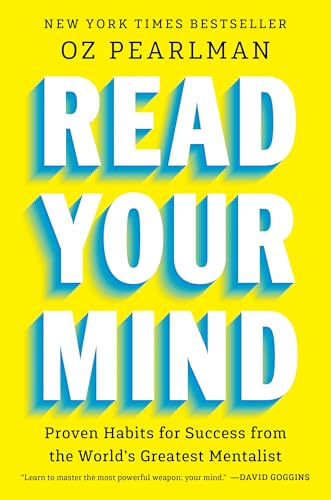
Read Your Mind (Oz Pearlman)
Oz Pearlman's book is a success and habits book written by a mentalist, not a manual of mind reading effects. The publisher pitches it as a modern twist on How to Win Friends and Influence People. Read it for the mindset, the practice habits and the stories, and see our overview of Read Your Mind for what reviewers and the publisher say it covers.
Confessions of a Conjuror (Derren Brown)
A memoir rather than a tutorial: Derren Brown on how he came to magic and mentalism and what performing does to the person doing it, told with plenty of digressions and humor. It teaches no methods, yet many performers rank it among the books that best explain what it feels like to do this work.
Psychology and Mindset
-
Best for body language
Joe NavarroBeginner
A former FBI agent's guide to reading nonverbal behavior. The best observation training a mentalist can buy.
-
Best for mindset
Oz PearlmanBeginner
Habits, focus and confidence lessons from the mentalist audiences know from television. Mindset, not methods.
-
Best performer's memoir
Derren BrownAll levels
Derren Brown's witty memoir of a life in magic and mentalism. No tutorials, plenty of perspective.


Books by Famous Mentalists
Many readers arrive here because they watched a performer on television and want to know what that person has written. The books differ a great deal: some teach methods to other performers, some are memoirs, and some are written for a general audience. Here is what each famous name has on the shelf, and what to expect before you buy.
Derren Brown
Derren Brown has written for two audiences. His books for magicians, Pure Effect and Absolute Magic, are covered further down; his books for everyone are Tricks of the Mind, on magic, memory, suggestion and belief, and Confessions of a Conjuror, a memoir. If you came from his television work, start with Tricks of the Mind. For what he has said publicly about his approach, read our page on how Derren Brown does it.
Lior Suchard
Lior Suchard is an Israeli mind reader known for corporate events and talk show appearances. His book is Mind Reader. As with every performer's book, read it as one artist's view of the craft and not as proof of any real telepathy. Our profile of Lior Suchard covers his career and what he says about his work.
Banachek
Banachek, born Steven Shaw, is best known for Project Alpha and for the bullet catch he sold to Penn & Teller in 1995. His book Psychological Subtleties is written for working performers and assumes you already know the vocabulary of the art, so it belongs on the second shelf, not the first. Our page on Banachek tells the Project Alpha story and explains where his books fit.
Oz Pearlman
Oz Pearlman is the mentalist most Americans now know from television and podcasts, and Read Your Mind is his book. It is about habits, focus and success, not a manual of effects, so do not buy it expecting to learn to perform. Our overview of Read Your Mind sets out what the publisher and reviewers say it covers.
The Amazing Kreskin
Kreskin was a fixture of American television from the 1970s, famous for hiding his own paycheck and promising to go unpaid if he could not find it. He wrote many books for a general audience, and Secrets of the Amazing Kreskin is the one we point readers to. It is a book from another era, so treat it as history and showmanship rather than as a modern training course. He died on December 10, 2024, at 89.
For short profiles of all of them, and of the older names such as Dunninger and Annemann, see our guide to famous mentalists.
Books by Famous Mentalists
-
Best for fans of Suchard
Lior SuchardBeginner
The book by the Israeli mind reader known for corporate events and talk shows. A performer's view of the craft.
-
Best for TV-era history
Secrets of the Amazing Kreskin
The Amazing KreskinAll levels
One of the many books the 1970s television star wrote for a general audience. Showmanship and history more than modern method.


Mentalism Books Compared
| Book | Author | Best for | Level | Teaches methods? |
|---|---|---|---|---|
| Practical Mental Magic | Theodore Annemann | First routines | Beginner | ✅ Yes |
| Tricks of the Mind | Derren Brown | Psychology and mindset | Beginner | ✅ Some |
| 9 Steps to Influence | Ehud Segev | Influence and rapport | Beginner | ❌ No |
| 13 Steps to Mentalism | Tony Corinda | The complete reference | All levels | ✅ Yes |
| PRISM | Max Maven | Creative effects | Intermediate to advanced | ✅ Yes |
| Psychological Subtleties | Banachek | Psychological methods | Intermediate | ✅ Yes |
| Naked Mentalism | Jon Thompson | Prop-free work | Intermediate | ✅ Yes |
| Full Facts Book of Cold Reading | Ian Rowland | Readings | Beginner to intermediate | ✅ Yes |
| What Every Body Is Saying | Joe Navarro | Observation | Beginner | ❌ No |
| Read Your Mind | Oz Pearlman | Habits and mindset | Beginner | ❌ No |
| Confessions of a Conjuror | Derren Brown | Perspective | All levels | ❌ No |
A Reading Order That Works
-
Weeks 1 to 4: one methods book
Read Practical Mental Magic and learn three effects completely: one book test, one prediction, one effect with a borrowed object. Perform each for real people.
-
Weeks 5 to 8: the psychology
Add Tricks of the Mind or What Every Body Is Saying. Start watching how spectators react, what they remember and what they forget.
-
Months 3 to 4: readings
Work through The Full Facts Book of Cold Reading and add a short, clearly framed reading to your set.
-
Month 5 onward: the classics
Open 13 Steps to Mentalism and study one step a month. Move to PRISM, Banachek or Jon Thompson when you want to build your own effects.
Mentalism Books in PDF and Ebook Form
Many people search for mentalism books as PDFs. Several classics are sold legally in digital form, often for less than a paperback, and buying them supports the publishers who keep old texts in circulation.
Where to Buy Legal Mentalism PDFs
Conjuring Arts Research Center sells the authorized PDF of 13 Steps to Mentalism, and Lybrary.com carries a large catalog of mentalism ebooks, from vintage booklets to modern titles. Magic shops such as Vanishing Inc and Penguin Magic also sell downloads directly from authors. Several of the mainstream books on this page, including Segev's, are available on Kindle.
Why to Avoid Free Download Sites
Most free PDF sites for mentalism books host scanned copies without the publisher's permission, and many of those scans are incomplete or bundled with malware. Mentalism is a small field: books are written by working performers and small publishers, and pirated copies cut directly into the income that pays for new material. The classics are inexpensive enough that the legal copy is rarely a stretch.
Famous Books Not on This List
Two of Derren Brown's early books for magicians, Pure Effect and Absolute Magic, are respected for their thinking about performance, but both are long out of print and sell at collector prices on the used market. They are not a sensible first purchase; if you find an affordable copy later, it is worth reading once you perform regularly. Bob Cassidy's collected works and Barrie Richardson's Theater of the Mind are excellent advanced reading, but they are expensive and best saved for when you are already performing regularly.
Books About Mentalists
If you are more curious about the performers than the methods, start with the biographies and histories: Rauscher's Mindreaders (bound with the Corinda edition above), Derren Brown's memoir, and the books written by the stars of the past. Our guide to famous mentalists lists the book each of them wrote.
Free newsletter
Mentalism, made modern. In your inbox.
Occasional emails from the MentalismPro team: a technique to practice, a routine idea, and the new guides and books worth your time. No spam, unsubscribe any time.